
Increasing velocity using Agile principles
Increasing throughput in a manufacturing production line using Agile principles
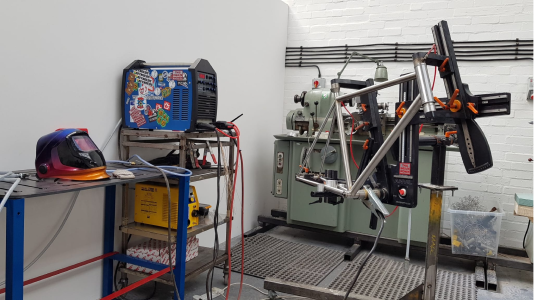
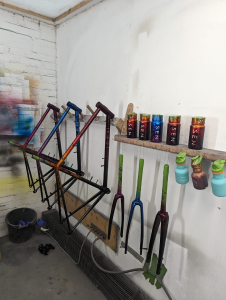
A high-end, bespoke bicycle manufacturing workshop was scaling to take the enterprise to the next level. They had created a brand and value proposition. They had achieved the product market fit. All they had to do was scale the manufacturing of the product to ensure profitability. Their excellence in hand fabrication, physical product design and domain expertise did not encompass culture, ways of working and manufacturing process.



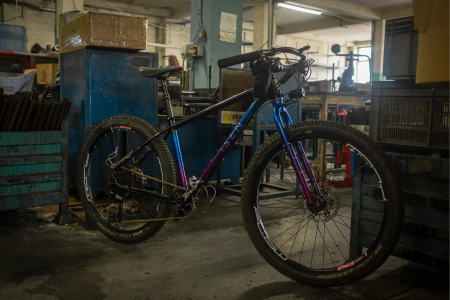

I was asked to support the young organisation to increase their throughput
Having understood the need for considering the process from hearing the legends of Japanese car manufacturing, I was asked to help them understand and leverage anything they could to ensure success. I took the principles used in software creation - Agile - and applied them in this physical environment.


Approach
My initial approach was to understand and generate trust between myself and the two founders. The grit and comradery needed to establish such an organisation meant that they were both wedded to personalised work processes and exhausted by their initial successes. Collaboration and handovers as points of failure amongst the team of 4 was first.
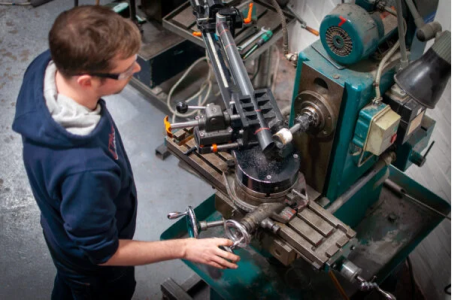
I ran an all day workshop aimed at teasing out their actual, organic, workflow both to understand and to reflect the complexity back to them. They were surprised by the volume of bespoke steps they engaged in and also started to generate empathy amongst themselves as some were undertaking arduous tasks on behalf of the team e.g. 5 hours in a spray booth without a break.

End-to-end service mapping
Having succeeded in creating consensus that the system was too complex, I set about addressing the areas of high pain point.
I spent time in the workshop with them, being with them day to day. The roles and responsibilities within the organisation had evolved organically with loosely defined boundaries. This caused small amounts of confusion that handover and overlap point, resulting in delays and friction. My 121 and group coaching enabled the team to overcome the challenges and agree clear boundaries and handover communication protocols.

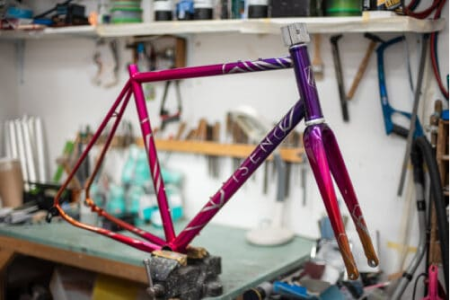
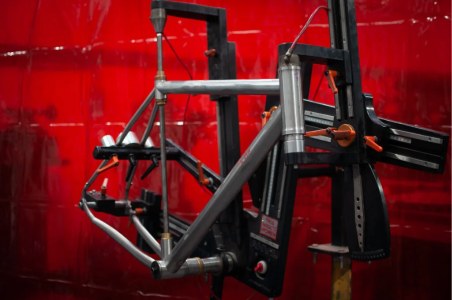


The management of clients and their detailed, complex needs was another area that needed support. By understanding the various parameters and working with them I empowered them to create a client management system which was incorporated into a Kanban process which ensured that all requirements, communications and the status of the work was clearly found in one digital location. This increased their customer service and ability to deliver to forecased delivery dates.


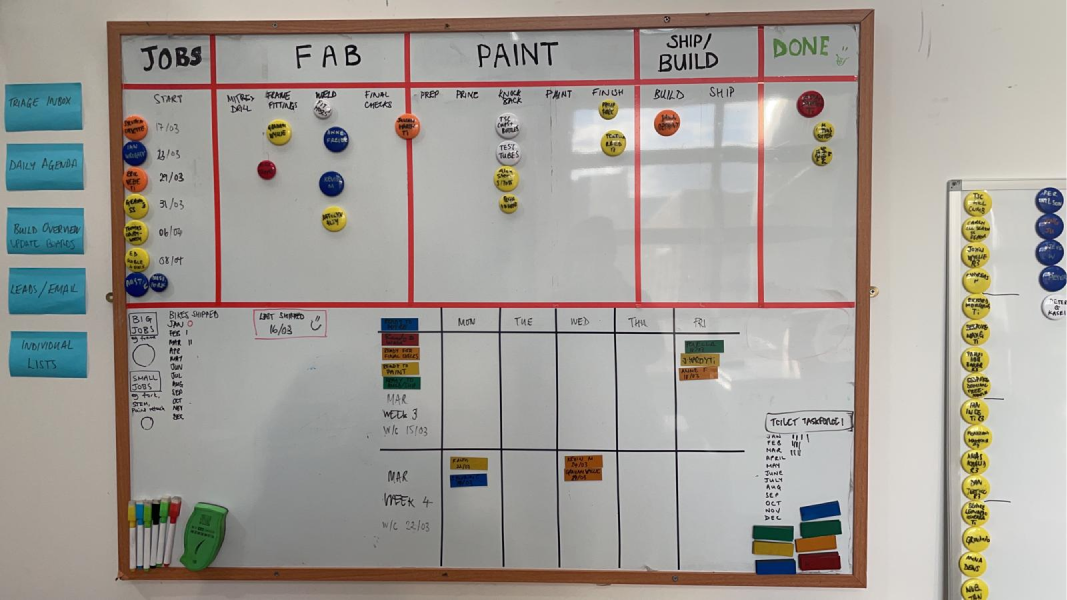
Outcome
The throughput of the product increased from variable 2-3 units a month to a predictable 6 by enabling overlap and creating a clear tracking and communication system. The team was empowered to take on the iteration of the way they worked, as I left them with the confidence and model for system analysis and iteration.
Thank you to a wonderful team for letting me share in your adventure.
