
Creating the experience to meet the product strategy
A prominent and highly trusted media organisation identified a potential £20m - £30m opportunity by leveraging the editorial pages of its personal finance category as a starting point for commercial activity. A gap in the market was identified for an offering that was supported by the media brand’s strong position.
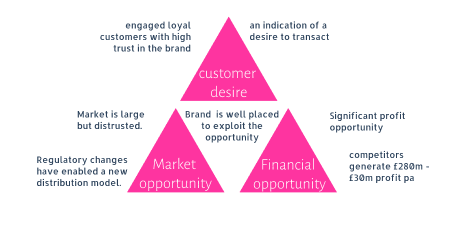
In order to achieve this, I was asked to create a validated, proof-of-concept, content-led commerce journey which would act as a template for other journeys including a retail hub, omni-channel, and work with the business to create individual product propositions. Taking advantage of deep linking and natural SEO I created a series of experiences that supported the introduction of lucrative partnerships that aimed to address the changing business model of the sector.
Vision
Promise: The brand has done the hard work in selecting the right providers with competitive products and services, relevant to you
The experience: A seamless online journey that is tailored to your needs and preferences, receiving personalised communications, editorial and offers.
Differentiation: High personalisation, engaging customer experience, seamless transactions, informed by high quality and curated editorial.
Proposition: provide a trusted range of products and services, tailored and relevant to your lifestage and lifestyle, delivered through personalised editorial and commercial offers, wherever you are on your media journey.
Challenges
Current partnering did not allow for product creation/curation and focused on offline publications only resulting in a low yield.
The current offering had no cohesive sub-brand identity resulting in a fragmented experience that did not generate the trust associated with the firm’s other activities.
The navigation and cross-pollination of content had not considered the buyer's journey e.g. a complete lack of clear CTA
Tailored content that supported the marketing of the products on offer did not exist and in some cases there was irrelevant content
This was a regulated domain and compliance was top of mind
A reputational and ethical line needed to be maintained in order to avoid undermining the brand integrity that was characterised by the high levels of trust and independence of the editorial content.
The infrastructure was manual without any automation and had no measurement or optimisation tooling
There were no product or UX practitioners in the current commercial workflow leading to a disjointed experience with content gaps
Approach
The program aimed to roll out across segments from the core heartland of the readership, initially focusing on retirement, empty nesters using the brand equity to grow as a player in the sector.
The financial sector was chosen as the brand’s audience gave these a higher priority than did people in the wider population:
21% more likely to invest money
9% more likely believed to be well insured
22% more likely to actively look for ways to cater for their retirement
13% more likely to consult an IFA
Spanning 8% to 21% more likely to take up Insurance

User personas mapped to customer segmentation showing a high likelihood of conversion with the challenge of a lack of digital engagement.
Inception
The 4 initial UX principles were fundamental to the overall success of the program and therefore I took an approach aimed at treating them as hypotheses:
Reduce breath of offering to avoid paradox of choice to ease navigation.
Curate with relevant content to ease navigation.
Clean simple layout, remove distractions to enable ease of purchase.
Support with decision making tools enable ease of purchase.
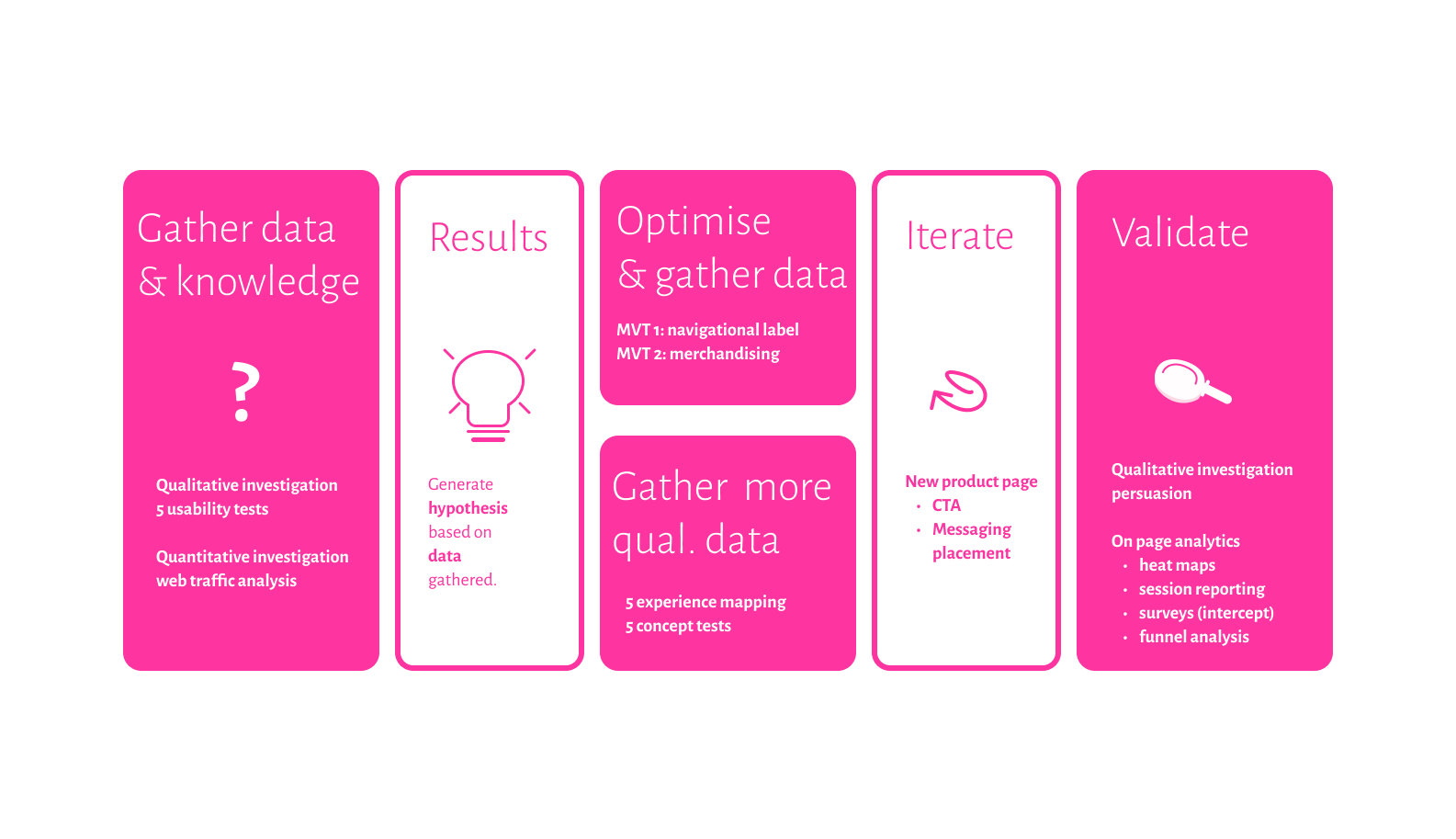
Overall end-to-end process
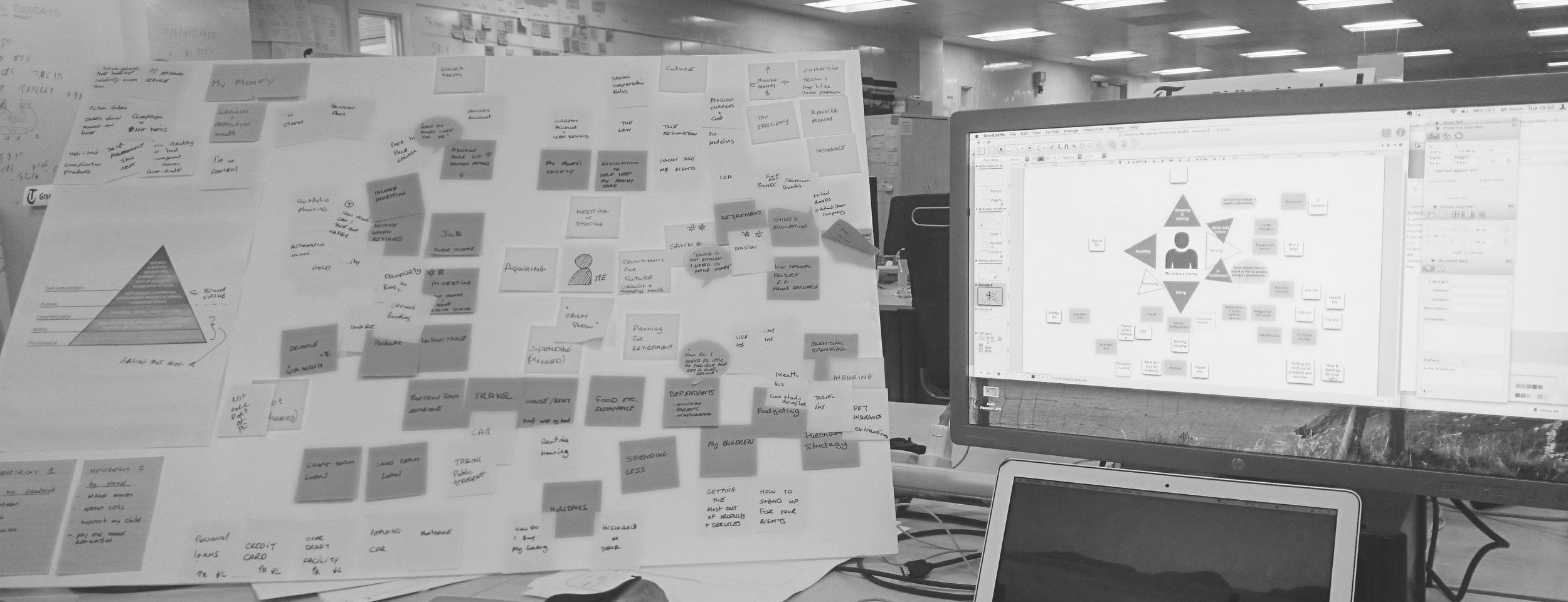
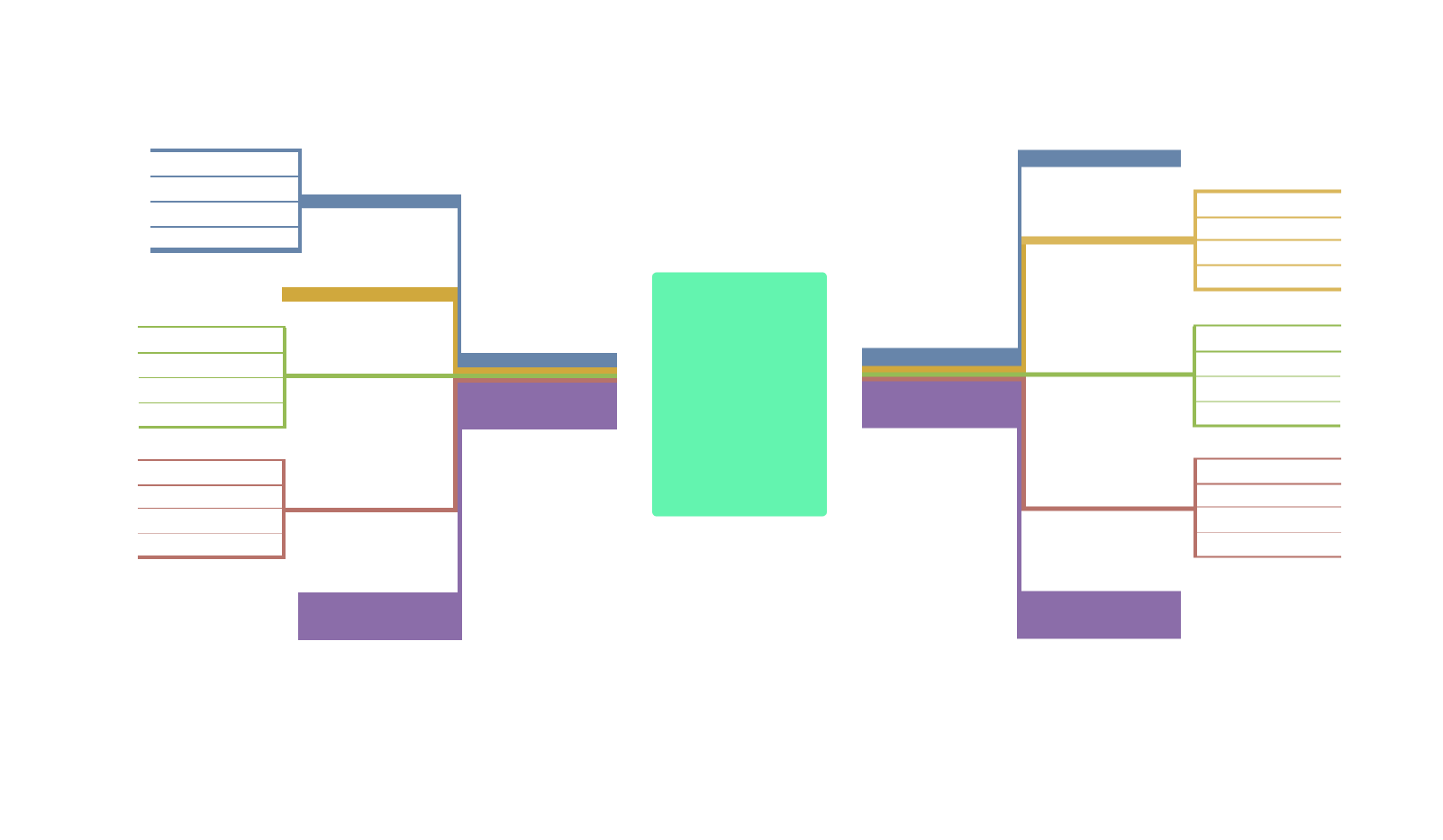
In order to identify initial journeys that would lead to a concrete content strategy and plan, I took a domain model approach. This was done in collaboration with the subject matter experts in order to generate the buy-in and trust of these high priority stakeholders and ensure the domain’s practical aspects were adhered to e.g. does this media organisation talk about this topic.

Journey and first product strategy
I developed an initial journey by analysing the current usage data in the chosen first topic and product. In order to understand the nuance: motivational and behavioural, I conducted 5 key sessions with customers that I would later build on. These sessions focused on both the chosen topic and the current experience. Beyond the value offered to myself this research gained buy in and a shared understanding of the problem amongst the wider stakeholders.


Concept and validation
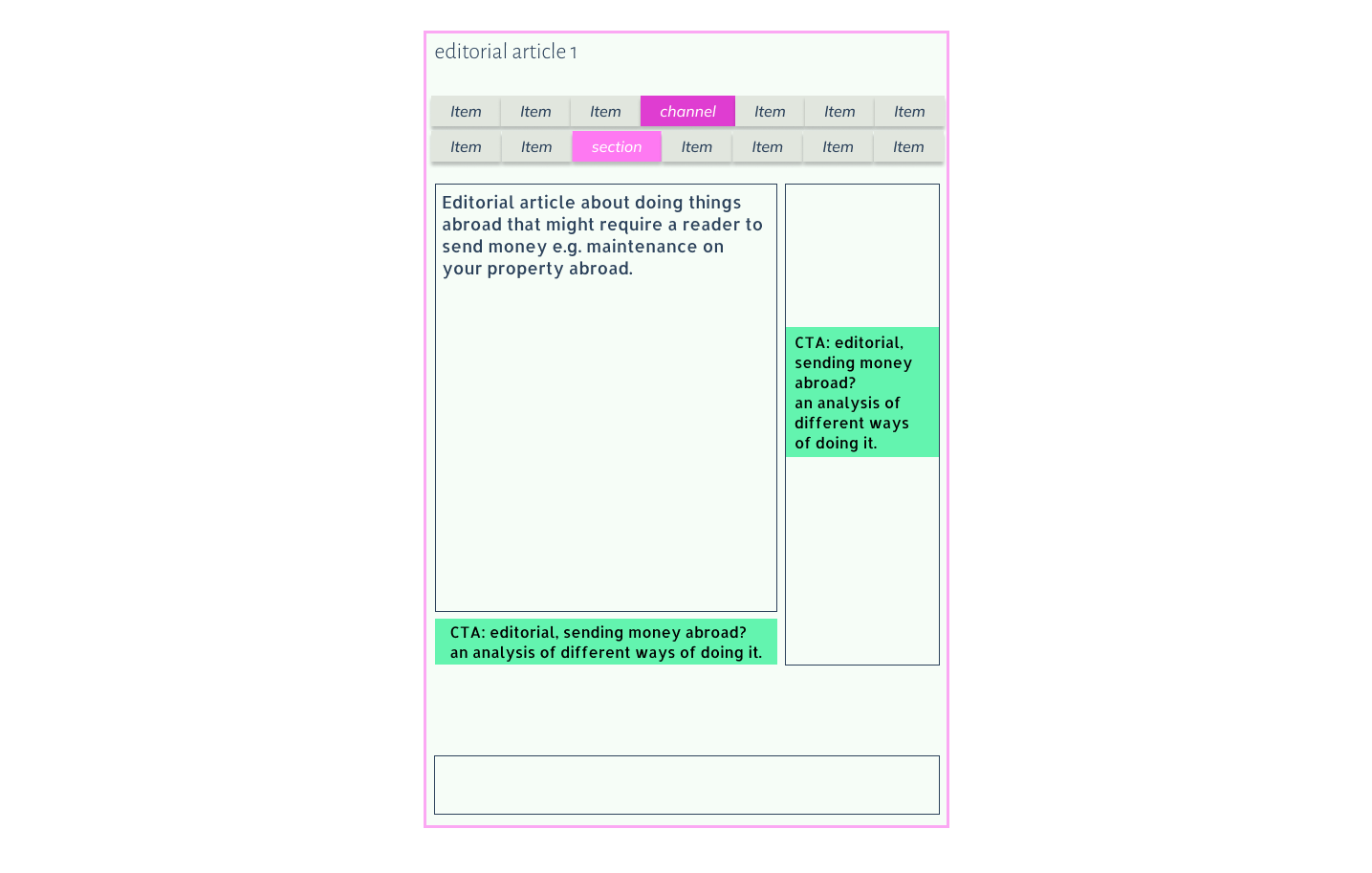
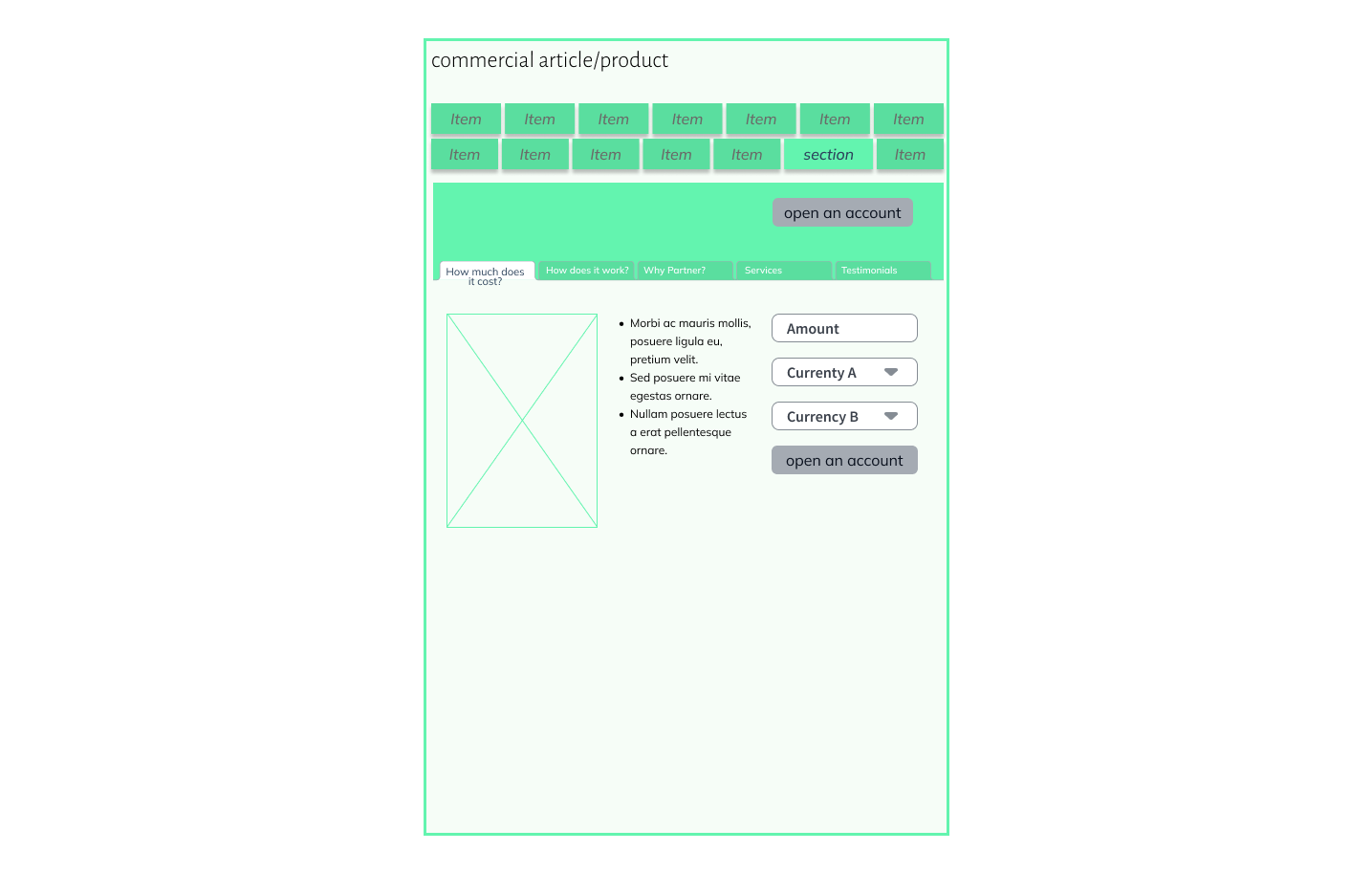
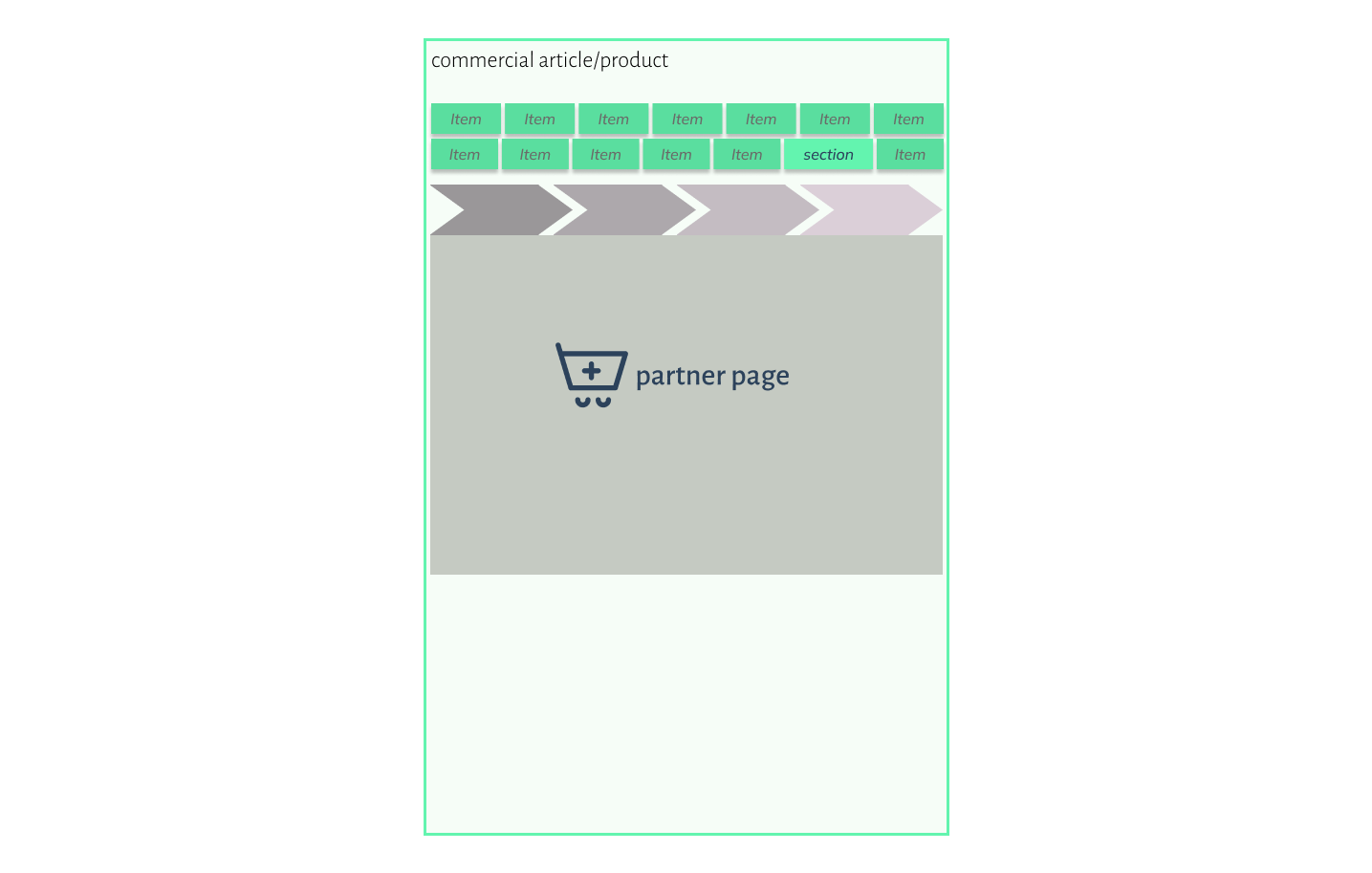
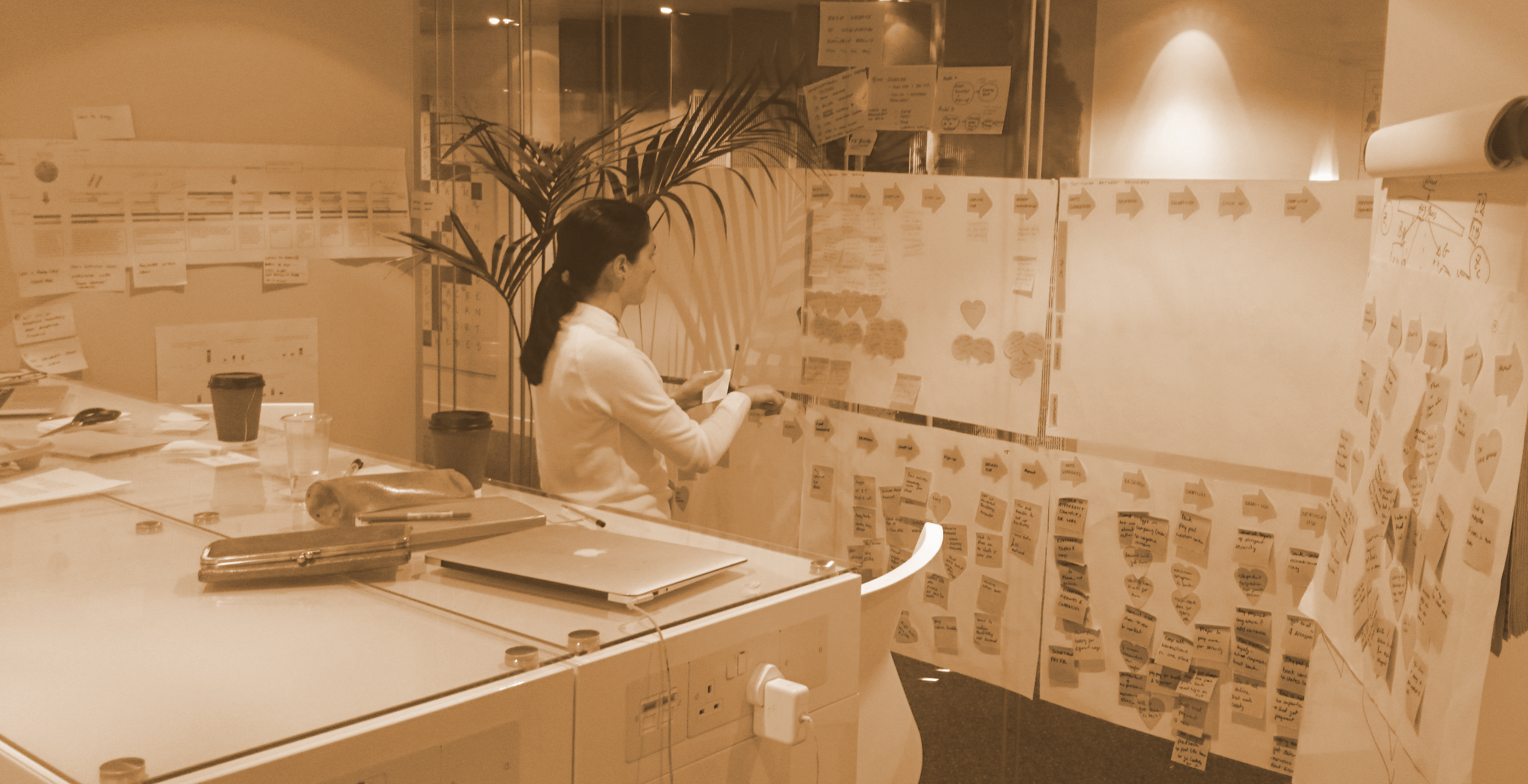
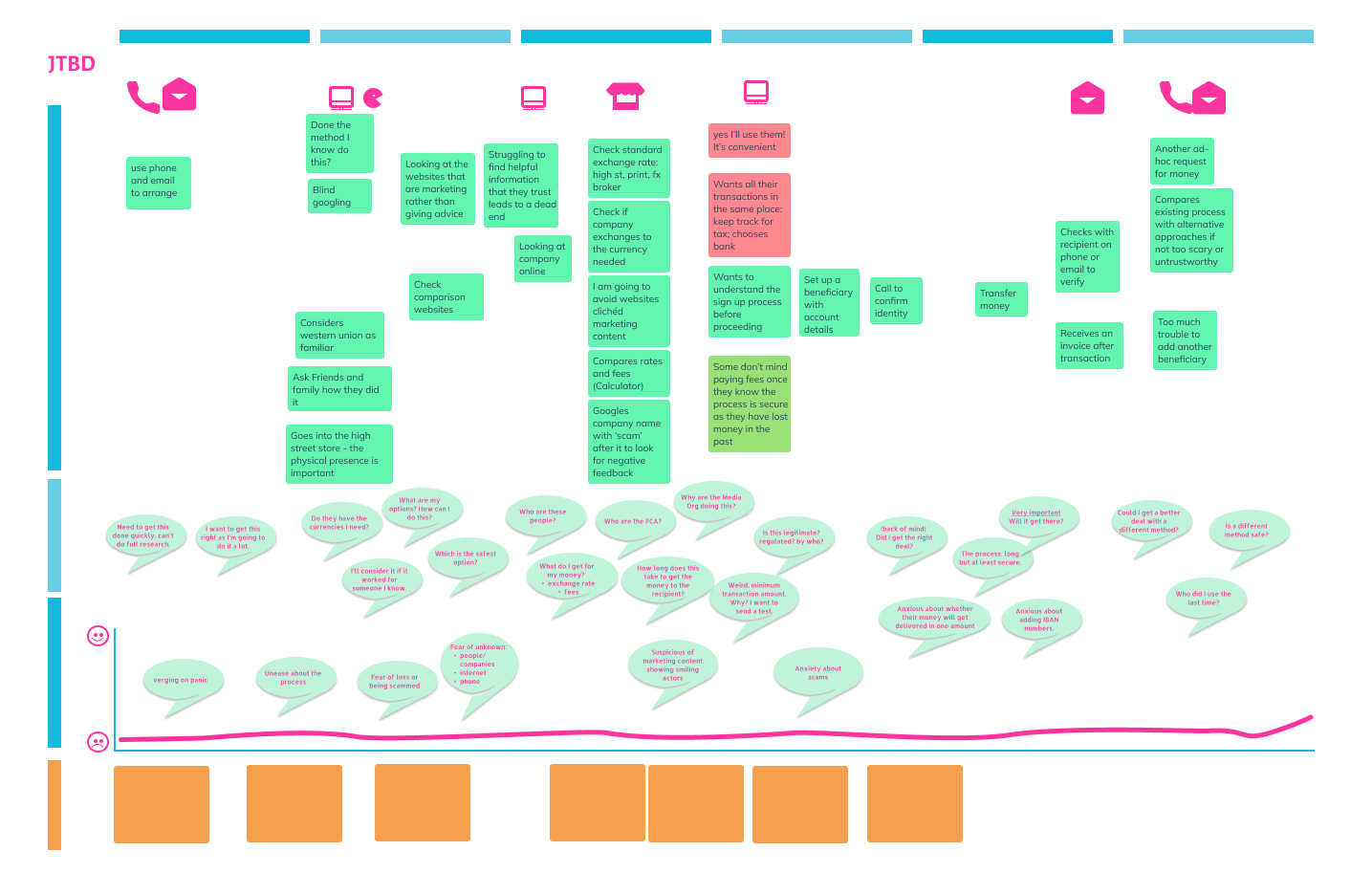
The concept took the form of a no-code ‘paper’ prototype and was evaluated in two ways: a round of prototype research sessions was conducted with the target audience and, while in place, a broader experience mapping exercise was done in collaboration with them. The latter aimed at identifying opportunities in both editorial and product marketing content. Overall there was a focus on identifying barriers to purchase and exploring the facets that may enable the customer to overcome them. The Jobs to be Done framework was used.

From concept to integration and detail
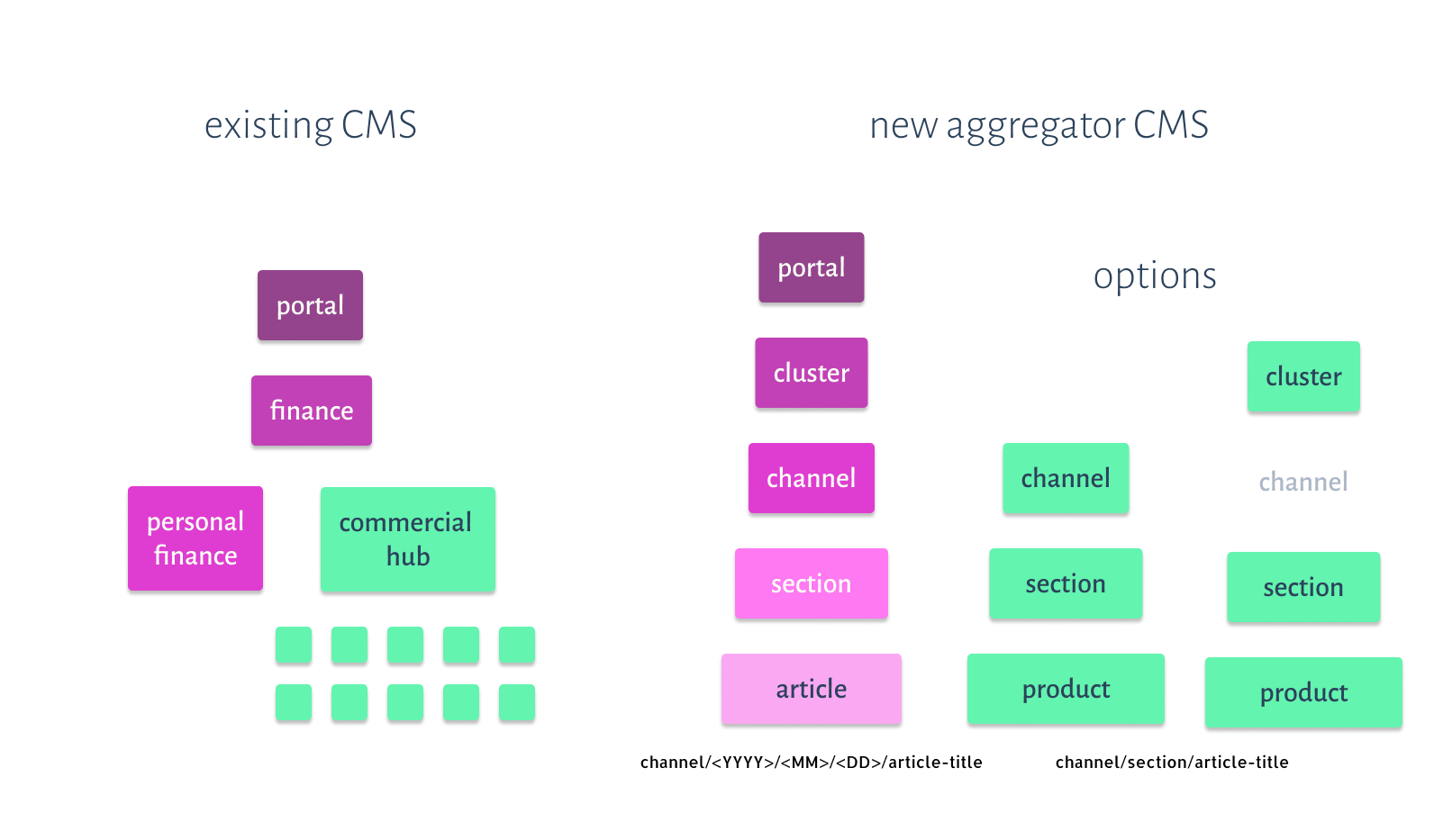
Once the overall approach was validated and the stakeholders, including compliance, were familiar and aligned, I started to identify how the commercial pages would integrate to the existing service. The business was in the process of a major replatforming project - moving from a semi static/curated CMS model to an aggregator service model which removed the direct control of the page layout from the editorial staff. The integration of this commercial content was not part of the core deliverable and I set about understanding the requirements and using the product and experience knowledge to date to identify a workable solution. If the business was to generate the hoped for income from this approach, the integration of the two facets of the business with one another was essential.


Detail design and implementation
I was in close collaboration with the replatforming team: product managers, business analysts, compliance officers, UX design and brand team. I led the negotiations that allowed for the templates and static pages that were required to realise the strategy.
I paired with a performance analyst to take advantage of multi variant testing to work on CTA visual and copy leading to successful click through rates which were the bedrock of the strategy. Key tools were created to catch customers at the exact time the concern was likely to arise.
Roadmap
Once an initial delivery model and process had been identified through the first two products a roadmap with reliable timelines was put in place and the organisation set about delivering through its 4 key vertices:
Savings and investments
Later life
Insurance
Bills and finance