
Identifying the strategy to meet the vision
The Problem
England faces a growing number of children-in-need, while the number of adults willing to foster is declining. The goal was to support fostering without undermining the efforts of the existing sector. Adoption was added into the scope at the halfway point. An initial idea was to create a database of foster-capable adults, identifying specific characteristics to match with a child’s needs. The intention was to expand the search for foster carers from local areas to a national level - thus finding the best match.

There are many people and organisations involved.
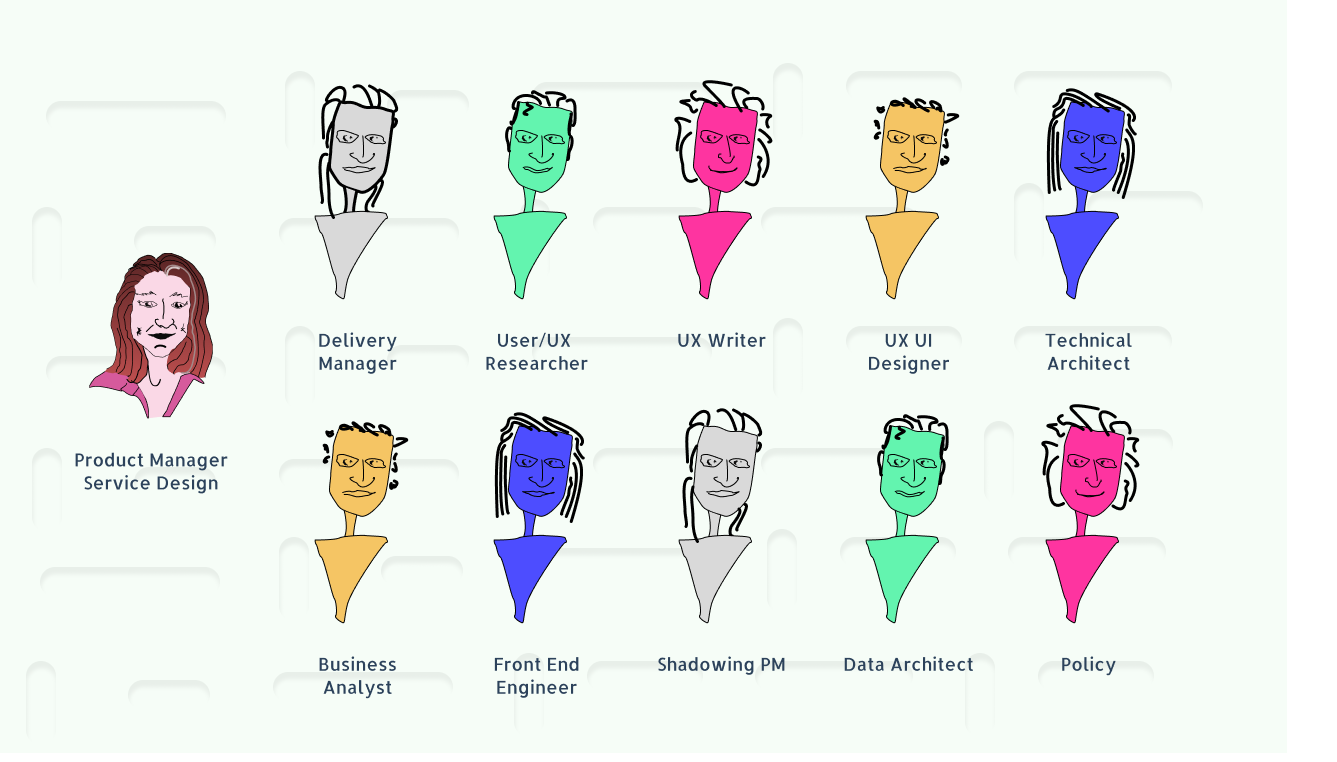
As acting Product Manager, Service Designer, and Commercial Lead, I led a team of up to 13 people, split into squads. My role included guiding the squads through complexities, four engagements, and mentoring a future Product Manager. The team worked closely to navigate the policy and operational landscape of fostering and adoption services.
Our Approach
We synthesised a large amount of excellent existing research, acknowledging that a simple register would not achieve the desired impact. We conducted additional primary qualitative and quantitative research with public and private service providers, policy teams, and sector bodies. This included a thorough analysis of the child's journey through the fostering system and mapping data flows, systems and processes in the sector. This identifies major pain points in the funnel. We also conducted a competitor analysis in reverse by reviewing similar government services to leverage existing knowledge.
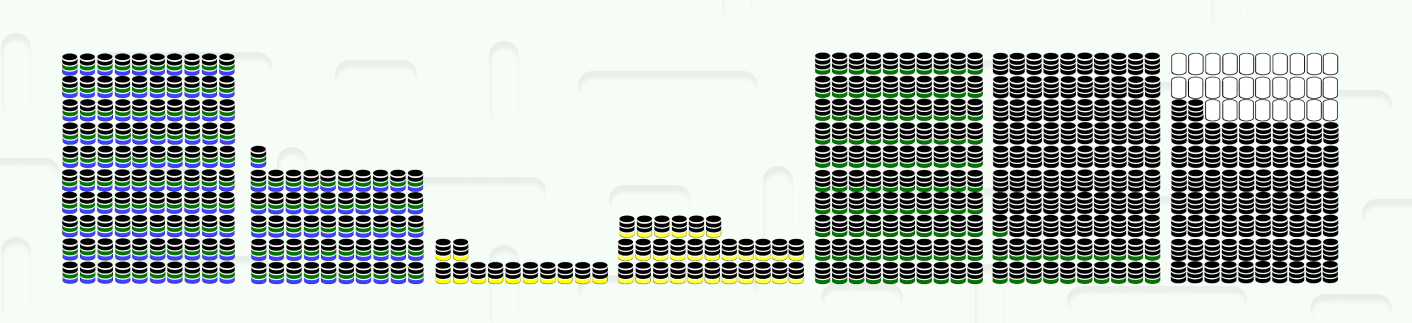
Numerous data silos were already in existence.
The Decision
A two-pronged strategy emerged. First, we improved the gov.uk pages to better guide potential foster parents, providing a national-level overview and refining this content through multiple iterations.
Fostering guidance pages were enhanced.
Secondly, instead of adding a new data silo, we explored technical solutions to improve data quality, interoperability and delivery.
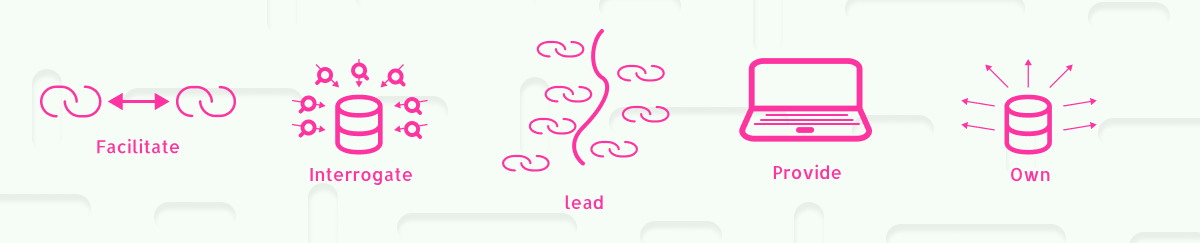
We selected one approach from a range of opportunities that we identified. After pivoting from a heavyweight infrastructure solution we focused on providing a simple service standard compliant SaaS tool. This could serve to connect siloed repositories and manual processes by setting a standard, thus empowering all tooling in the sector.
The Experiment and Outcome
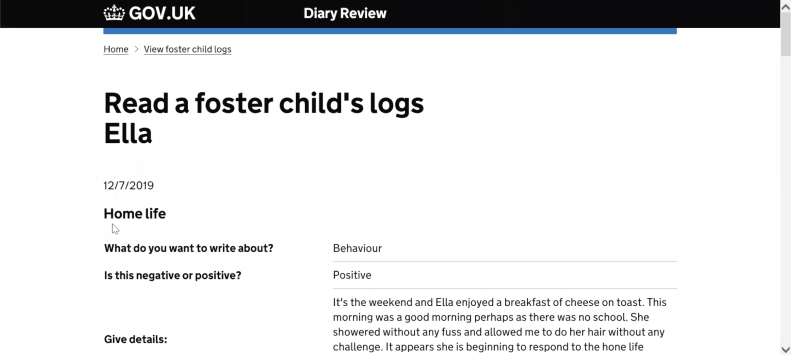
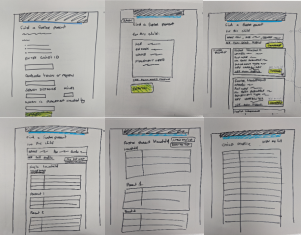
We developed a low-code prototype, tested it with key users, and conducted a small trial to assess data quality and user satisfaction. This demonstrated the potential for improving the matching process and setting standards in data and modernising processing. Our engagements concluded with clear evidence of current challenges and a proposed pathway for modernisation that could ease the burden on practitioners and positively impact foster placements.
Praise
“See that’s really helpful, because when we get information now, it can just be it can be pages of just hand written life, but certain areas aren’t necessarily highlighted, you have to read substantial amounts of documents to find anything in it that’ significant. Where as this is obviously broken down into areas, which is obviously really helpful. It helps identify patterns more quickly. It probably helps foster carer also - breaks it down into certain areas“ - social worker
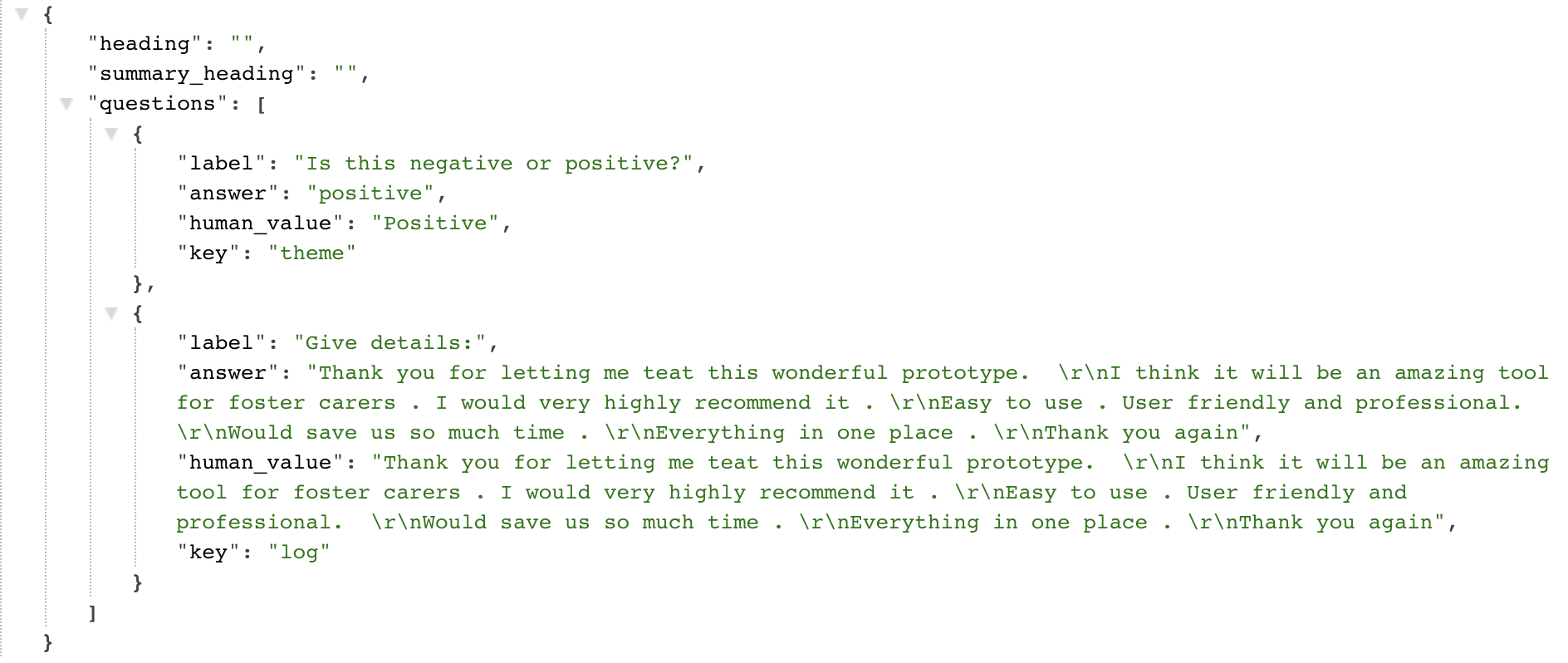
- foster parent